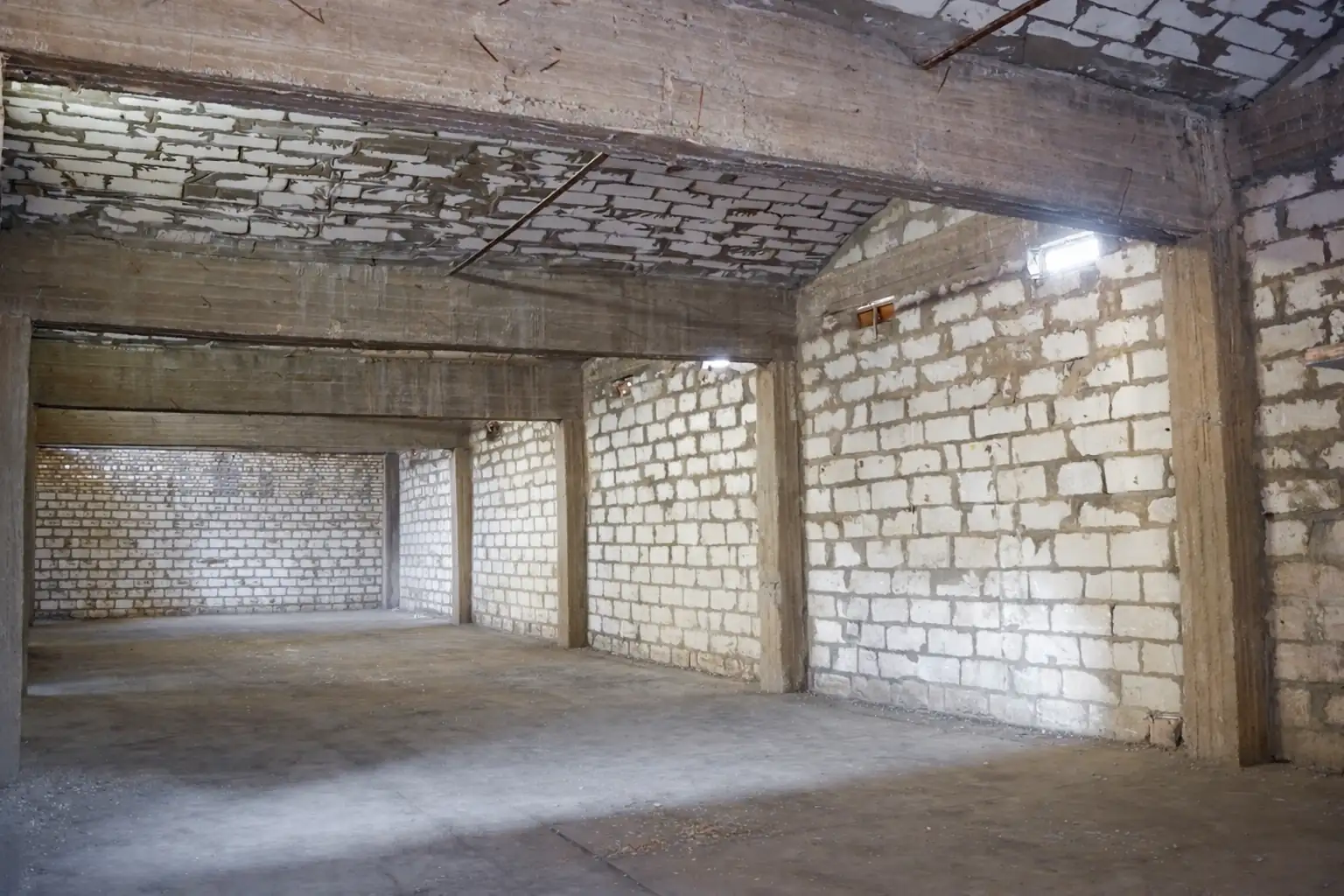
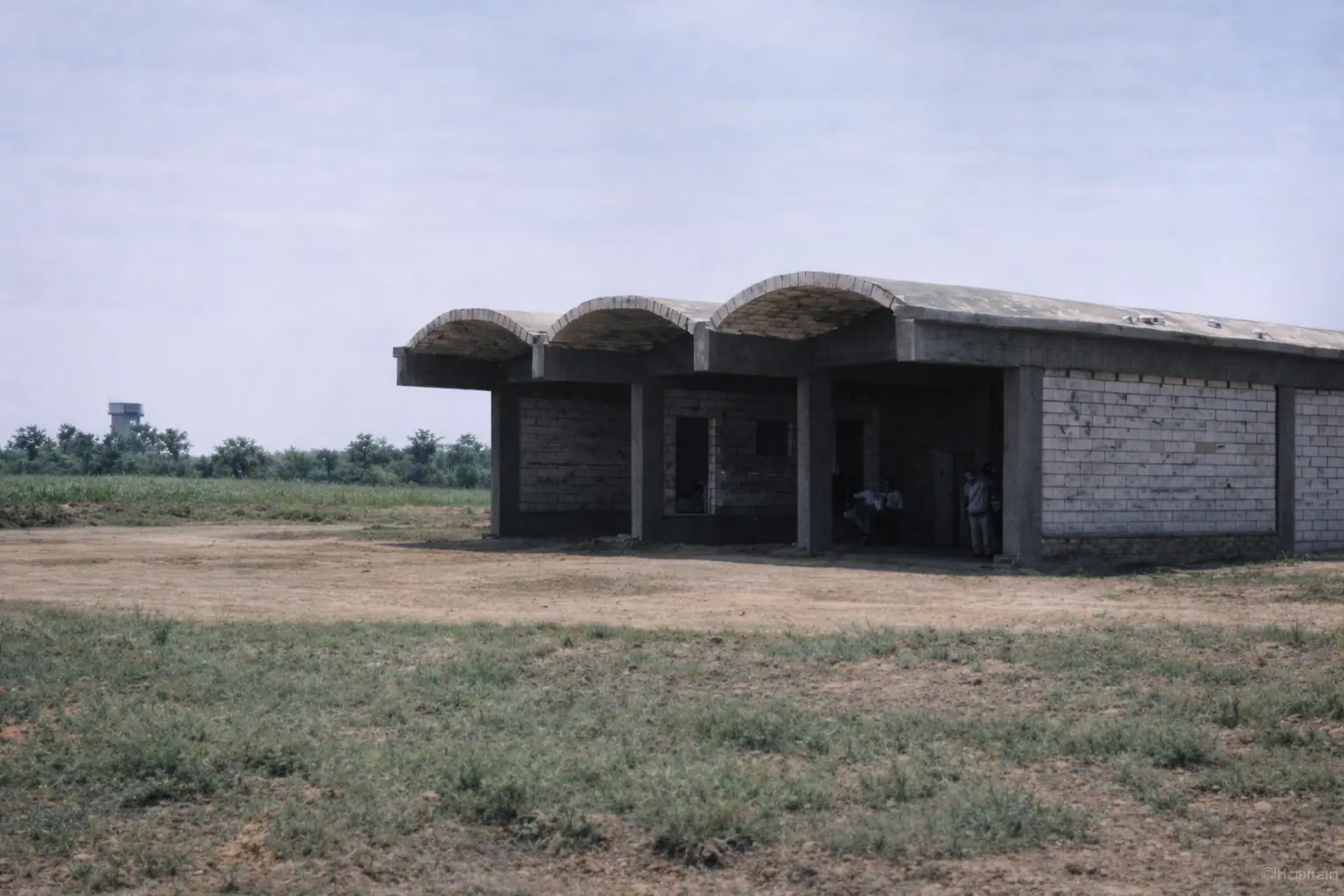
Autoclaved Aerated Concrete (AAC)
Standards, Structural Design Basis, and Code Approvals
Autoclaved Aerated Concrete (AAC) is a lightweight masonry material whose acceptance in modern construction is founded on a clearly defined structural design framework, comprehensive material specifications, and full recognition within international building codes. Its use is supported not only by ASTM material standards, but also by masonry structural theory and load provisions defined by TMS and ASCE, as documented in authoritative references such as Masonry Structural Design by Jennifer Eisenhauer Tanner and Richard E. Klingner.
Please see the video below about the Pumice Blocks
Watch video (please click the CC icon in the corner for translations)
Structural Design Framework for AAC Masonry
Masonry Structural Behavior (Tanner & Klingner)
As outlined in Masonry Structural Design
🔗https://www.wiley.com/en-us/Masonry+Structural+Design-p-9780470903534
AAC masonry is treated as an engineered masonry material, characterized by low density and predictable compressive behavior. Structural design follows reinforced masonry principles rather than plain concrete assumptions, including:
- Compression-dominated load resistance
- Reinforcement-controlled tensile behavior
- Compatibility with Allowable Stress Design (ASD) and Strength Design (SD)
- Explicit consideration of modulus of elasticity, creep, and shrinkage
AAC masonry is therefore designed within the same theoretical framework as other structural masonry systems, fully consistent with modern masonry engineering practice.
Load Determination – ASCE 7 Integration
ASCE 7 – Minimum Design Loads
All AAC structural design is governed by ASCE 7 – Minimum Design Loads and Associated Criteria for Buildings and Other Structures:
🔗 https://ascelibrary.org/doi/book/10.1061/9780784414248
ASCE 7 defines the design demand, including:
- Dead Loads
AAC self-weight is calculated using measured density per ASTM standards and applied per ASCE 7 Chapter 3. - Live Loads
Assigned per occupancy classification in ASCE 7 Chapter 4. - Wind Loads
Out-of-plane wall pressures determined per ASCE 7 Chapters 26–30. - Seismic Loads
Seismic forces defined per ASCE 7 Chapter 12, with AAC treated as reinforced masonry.
ASCE 7 establishes load demand, while masonry capacity is defined by TMS 402—a design relationship emphasized throughout Tanner & Klingner’s work.
Masonry Design Codes (TMS / ACI / ASCE)
TMS 402 / TMS 602 (Formerly ACI 530 / ASCE 5)
AAC masonry is fully integrated into the masonry code framework:
- TMS 402 – Building Code Requirements for Masonry Structures🔗 https://masonrysociety.org/tms-402-602/
- TMS 602 – Specification for Masonry Structures
🔗 https://masonrysociety.org/tms-402-602/
These codes provide:
- Design equations for axial load, bending, shear, and combined stresses
- Reinforcement detailing and anchorage requirements
- Serviceability limits (cracking, deflection)
- Seismic detailing provisions coordinated with ASCE 7
When designed and detailed per TMS, AAC masonry performs comparably to other structural masonry systems while benefiting from reduced mass and improved thermal performance.
ASTM Material Specifications
Core AAC Material Standards
AAC material properties and quality are governed by ASTM standards:
- ASTM C1693 – Standard Specification for Autoclaved Aerated Concrete (AAC)🔗 https://www.astm.org/c1693
- ASTM C1386 – Standard Specification for Precast AAC Wall Construction Units🔗 https://www.astm.org/c1386
These specifications define:
- Density classifications
- Minimum compressive strength
- Moisture movement limits
- Dimensional tolerances
Compliance with ASTM standards is a prerequisite for structural design under TMS and acceptance under the IBC.
International Building Code (IBC) Recognition
The International Building Code (IBC) formally recognizes AAC masonry units that comply with ASTM standards and are designed per TMS 402 with loads determined by ASCE 7.
- International Building Code (IBC)
🔗 https://codes.iccsafe.org/
AAC is permitted for:
- Load-bearing and non-load-bearing walls
- Fire-resistance-rated assemblies
- Seismic and wind-resisting systems
Many AAC systems are further validated through ICC-ES Evaluation Reports, confirming compliance with IBC requirements.
Fire, Energy, and Serviceability Performance
AAC’s material characteristics provide performance benefits that complement structural design:
- Fire Resistance: Non-combustible with multi-hour fire ratings
- Thermal Performance: Reduced heat transfer supporting energy code compliance
- Acoustic Performance: Effective sound attenuation
- Serviceability: Reduced mass lowers seismic demand under ASCE 7
These attributes align with the performance-based design philosophy discussed by Tanner & Klingner, where safety, comfort, and durability are addressed together.
BeneCent Perspective
At BeneCent, AAC standards and masonry design principles—as defined by ASTM, TMS, ASCE 7, ACI, and IBC, and articulated in Masonry Structural Design—serve as technical benchmarks. They inform both our building systems and our development of alternative lightweight concrete solutions, such as pumice-based systems, in regions where AAC is unavailable or impractical.
This standards-driven approach ensures BeneCent solutions meet global engineering expectations, regardless of local material constraints.
Summary
AAC is not an experimental or proprietary system—it is a fully standardized, structurally engineered masonry solution supported by:
- ASTM material specifications
- TMS masonry design codes
- ASCE 7 load criteria
- IBC code approval
- Authoritative engineering literature
Together, these establish AAC as a reliable reference for modern lightweight masonry—and a foundation for innovation where local conditions demand alternatives.
View Developers Version